Angel and the Badman (2026) Review: Miscast and Toothless — Zachary Levi Can't Shake His Comedic Instincts in Angel Studios' Remake of the John Wayne Classic
A wounded outlaw finds Christian charity on a ranch in Angel Studios' remake of the 1947 John Wayne Western — and critics agree the message survives the trip better than the casting does.
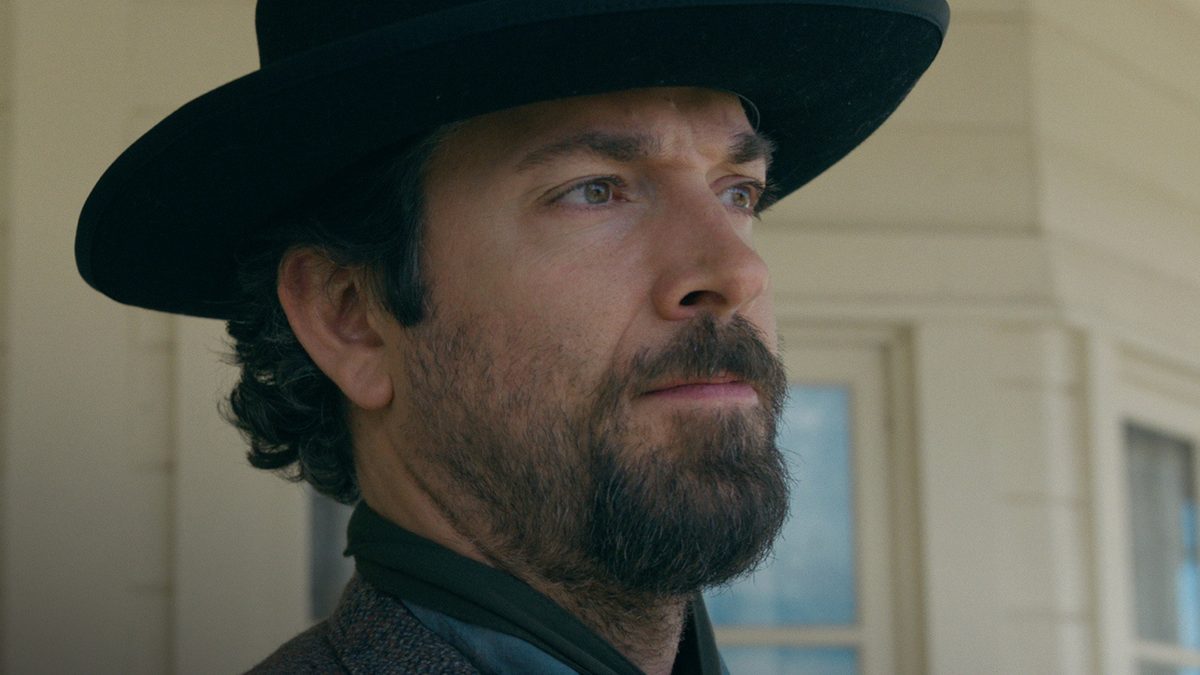
Angel and the Badman, out October 9 from Angel Studios, remakes the 1947 John Wayne vehicle about an outlaw who finds himself changed by the Christian family that nurses him back to health. Zachary Levi stars as Quirt Evans, a wounded gunman who stumbles onto the Worth family's ranch with a marshal and his own old gang both closing in; Meg Fraser plays Penny, the daughter whose faith and patience start to wear him down. Tommy Lee Jones and Neal McDonough round out a cast that critics, almost unanimously, say is doing more work than the script asks of it.
The verdict landed hard and fast: Rotten Tomatoes has the film at 23% from 13 reviews, a 48-point drop from the original 1947 film's score. Roger Moore, reviewing for Rogers Movie Nation on October 1, gave it 1.5 out of 4 stars and put the problem squarely on the lead: Levi is "just shy of adequate" as Quirt, and his naturally comedic presence, built over years of playing Shazam, "single-handedly lowers the stakes" in a role that needs to read as genuinely dangerous before it can convincingly soften.
Moore's larger complaint is about texture rather than casting alone: the production looks "tidy, freshly-Maytag'd and pressed" rather than lived-in, and the overall effect reads closer to "Westworld with Shazam" than to an actual 19th-century frontier. For a story that depends on Quirt's transformation feeling earned — a hardened criminal gradually disarmed by kindness — a setting that never convinces as dangerous undercuts the stakes from the start.
Where the film does land, by Moore's own account and echoed elsewhere, is in its supporting cast. Tommy Lee Jones, playing the marshal tracking Quirt at roughly 80 years old on screen, is "adorably ornery," with a weathered, higher-pitched delivery Moore compares to Walter Brennan. Neal McDonough, as gang leader Laredo, brings "his usual blood-in-the-eye simmer" to a character who's supposed to be dying and still looks sharp in the saddle. Both performances suggest the actual Western this could have been, with a differently cast lead.
Not every critic is writing the same film off, though, and the disagreement is instructive about who this is actually made for. Plugged In's Bret Eckelberry calls it "a sincere Western that stuffs its saddle with positive and faith-filled messages about the transformative power of Christian charity" — a review explicitly weighing the film by its intended audience and message rather than against the 1947 original or genre craft. That's the real split here: as a faith-focused family Western delivering a specific, sincere message, reviewers in that lane are more forgiving than critics measuring it as a straight remake of a genre classic.
On IMDb, the film sits at 6.5 from 115 votes as of this writing — noticeably warmer than the Rotten Tomatoes critic consensus, which tracks with a pattern common to Angel Studios releases: the audience that actively seeks these films out tends to rate them well above the critics reviewing them as craft. Whether that gap says more about the film or about who's doing the rating is, as always with this studio's output, part of the story.
What's missing from most of the coverage, mainstream and faith-focused alike, is much discussion of Julio Quintana's direction beyond the surface look — the pacing, the handling of the romance between Quirt and Penny, or how the pursuit plot involving the stolen Confederate gold actually resolves. That's a real gap for anyone deciding whether to see it: the film is being reviewed almost entirely on message and casting, not on whether it's well-constructed as a Western in its own right.
The honest recommendation splits by audience. If you're specifically looking for a faith-centered family Western with a clean PG-13 and a genuine redemption arc, the reviews from that audience's own critics are warmer than the Tomatometer suggests, and Jones and McDonough are worth the ticket on their own. If you're hoping for a Western that earns comparison to the 1947 original or to recent genre standouts, the consensus — not just Rotten Tomatoes' number, but the specific, repeated complaint about Levi's miscasting — says to adjust expectations accordingly, or wait for streaming.
Related movies
Related articles
- Best Tom Cruise Movies, Ranked: The 10 Greatest Since 1996 — From Jerry Maguire to Top Gun: Maverick
- Verity (2026) Review: Anne Hathaway Saves a Flat Thriller — Colleen Hoover's Bestseller Gets a Faithful, Oddly Tame Adaptation
- The Incomer (2026) Review: Gleeson Meets the Fin Man — a Reclusive Scottish Island, a Council Eviction Notice and the Warmest 95% Comedy of the Autumn
- The Only Living Pickpocket in New York (2026) Review — John Turturro Gets the Role of a Career in a Warm, Rough-Edged Crime Drama Critics Rate 97%