Sense and Sensibility (2026) Review: A Split Decision — Critics Agree on Fiona Shaw, Disagree on Nearly Everything Else
Director Georgia Oakley's take on Austen's first novel has landed a solid 76% on Rotten Tomatoes, but the reviews behind that number disagree sharply on nearly every specific choice the film makes.
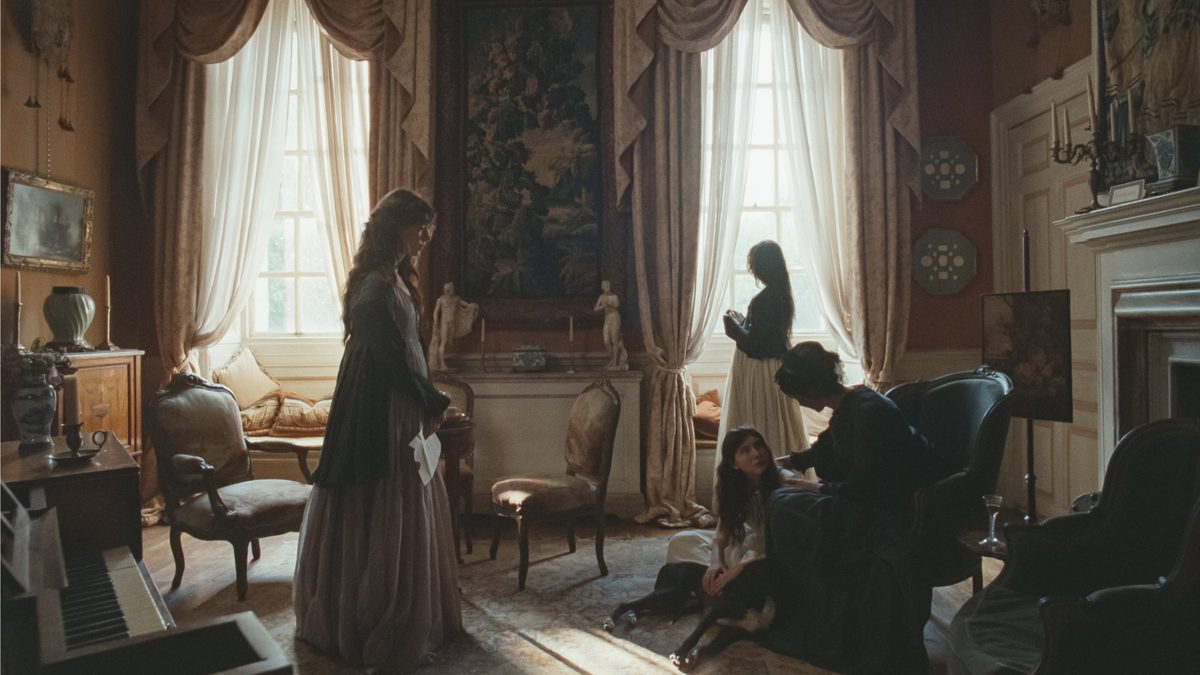
Sense and Sensibility follows sisters Elinor (Daisy Edgar-Jones) and Marianne Dashwood (Esmé Creed-Miles) after their father's death leaves the family without their expected inheritance, forcing a move to a modest cottage and a reckoning with love, money, and propriety in Regency England. Georgia Oakley directs from a script by Australian novelist Diana Reid, with Caitríona Balfe as Mrs. Dashwood, George MacKay as Edward Ferrars, Frank Dillane as Willoughby, Herbert Nordrum as Colonel Brandon, and Fiona Shaw as the gossiping Mrs. Jennings.
Where every review agrees
If there's one thing every critic who's covered this film agrees on, it's Fiona Shaw. The Seattle Times' Moira Macdonald, in her review published October 15, 2026, writes that Shaw "steals scenes" as Mrs. Jennings. Danielle Binks' review, published October 11, calls her performance "a delight in everything," adding that she "chortled in nearly every scene she was in." When two reviews that disagree about almost everything else single out the same supporting performance independently, that's usually the most reliable read in a mixed response — whatever else is debatable here, Shaw's Mrs. Jennings isn't.
The case for it
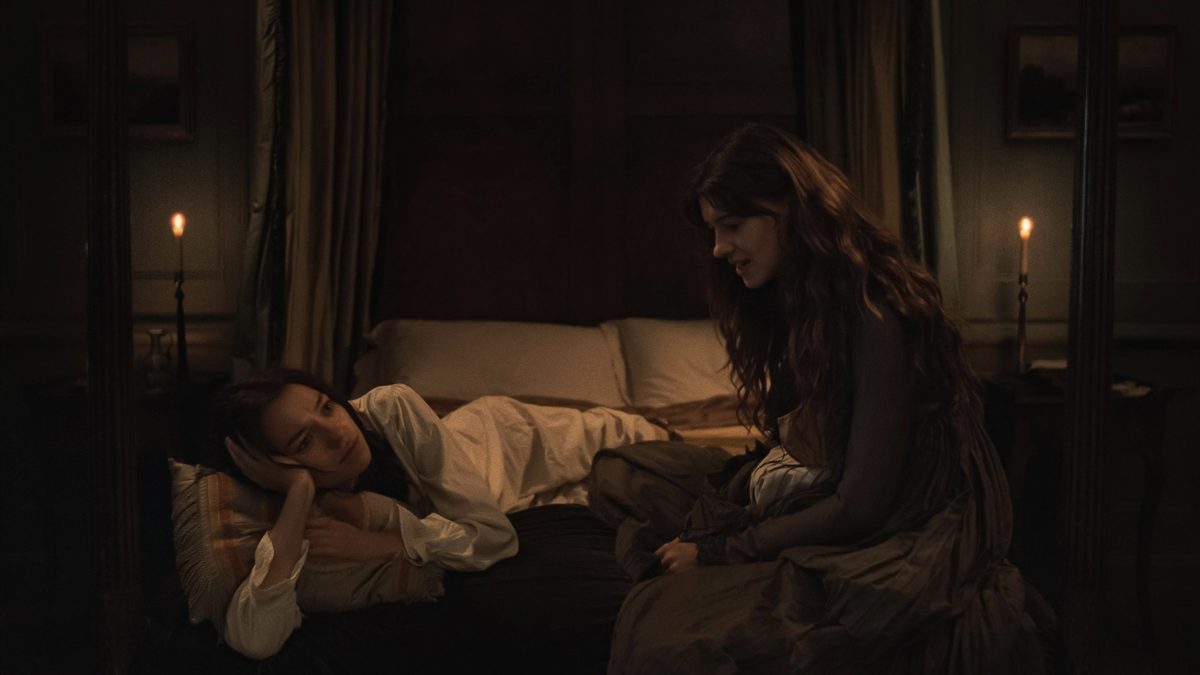
Macdonald's review is the more enthusiastic of the two, praising Oakley's "beautiful sense of place" — grounded, unglamorous Regency England built from cramped cottages, muddy hems, messy hair, and rooms lit darker than the genre usually allows, resisting the impulse to over-romanticize the period. She singles out Daisy Edgar-Jones' Elinor as the standout, "sad-eyed, wise," and capable of telling "entire stories without saying a word," with George MacKay charming as Edward Ferrars and Herbert Nordrum delivering what she calls a "lovely slow burn" as Colonel Brandon. Her verdict lands close to the film's own critical consensus: not as memorable as Ang Lee's 1995 version, but genuinely pleasurable on its own terms, hampered mainly by a script from Reid that "relies too heavily on exposition" rather than trusting the audience to follow along unprompted.
The case against it
Binks' review is considerably less forgiving, landing at 2.5 out of 5 stars. Where Macdonald found Edgar-Jones a standout, Binks found her "aggressively fine" — solid, but not elevating the material the way Emma Thompson did in 1995. Esmé Creed-Miles' Marianne draws a sharper complaint: Binks describes her hair styling as "bedraggled (bordering on dreadlocked)" and distractingly unflattering, and questions some specific directorial choices, including an unexplained shaky-cam sequence and a lingering pan over what she describes as just "dirt and a patchy amount of extras." She also flags a specific plot beat — Edward Ferrars dancing publicly with Elinor while still secretly engaged to someone else — as a violation of the character's own established integrity: "Edward would just NEVER!" Her bottom line is blunt: this version will likely be "watched once and then largely forgotten."
What the aggregate score actually hides
The 76% Rotten Tomatoes score, pulled from 75 reviews, is the kind of number that looks like consensus but isn't really one here — it's an average of reviewers who loved specific choices (the grounded cinematography, Shaw's performance, Edgar-Jones' restraint) and reviewers who found those same areas, or adjacent ones, actively weak (the hair and makeup work, specific camera choices, a script that explains rather than shows). A score in the high 70s on a film this specifically divisive is worth reading past, not just citing — the number tells you critics were more positive than negative on balance, not that they agreed on why.
Where to watch it
Sense and Sensibility is in wide theatrical release in the US starting today, October 16, 2026, distributed by Focus Features, after an earlier UK release on September 25. At 132 minutes, it's a reasonable theatrical commitment for Austen readers curious how a fifth or sixth screen adaptation handles a novel this well-trodden — the honest pitch, based on the reviews above, is that it's genuinely worth seeing for Shaw's performance and Oakley's visual approach to the period regardless of which side of the Edgar-Jones debate you land on, but it is not the adaptation likely to replace the 1995 version in anyone's rotation.
The bottom line
This is a film that rewards checking more than one review before buying a ticket, because the single Rotten Tomatoes percentage genuinely undersells how differently critics are reading the same choices. If grounded, less-polished Regency realism and a standout Fiona Shaw performance sound appealing, this delivers both convincingly. If you're coming specifically for career-best lead performances or visual polish, more than one reviewer is telling you plainly that this isn't that — and that's a more useful piece of information than the 76% alone.
Related movies
Related articles
- Street Fighter Opens at No. 1 With $31 Million as A24's You Can See Everything Stuns With $15 Million
- A24's Doc Posts the 2nd-Best Documentary Opening Ever — Street Fighter Won the Weekend With $31 Million, But You Can See Everything Had 1,300+ Sellouts
- The Incomer (2026) Review: Gleeson Meets the Fin Man — a Reclusive Scottish Island, a Council Eviction Notice and the Warmest 95% Comedy of the Autumn
- The Only Living Pickpocket in New York (2026) Review — John Turturro Gets the Role of a Career in a Warm, Rough-Edged Crime Drama Critics Rate 97%